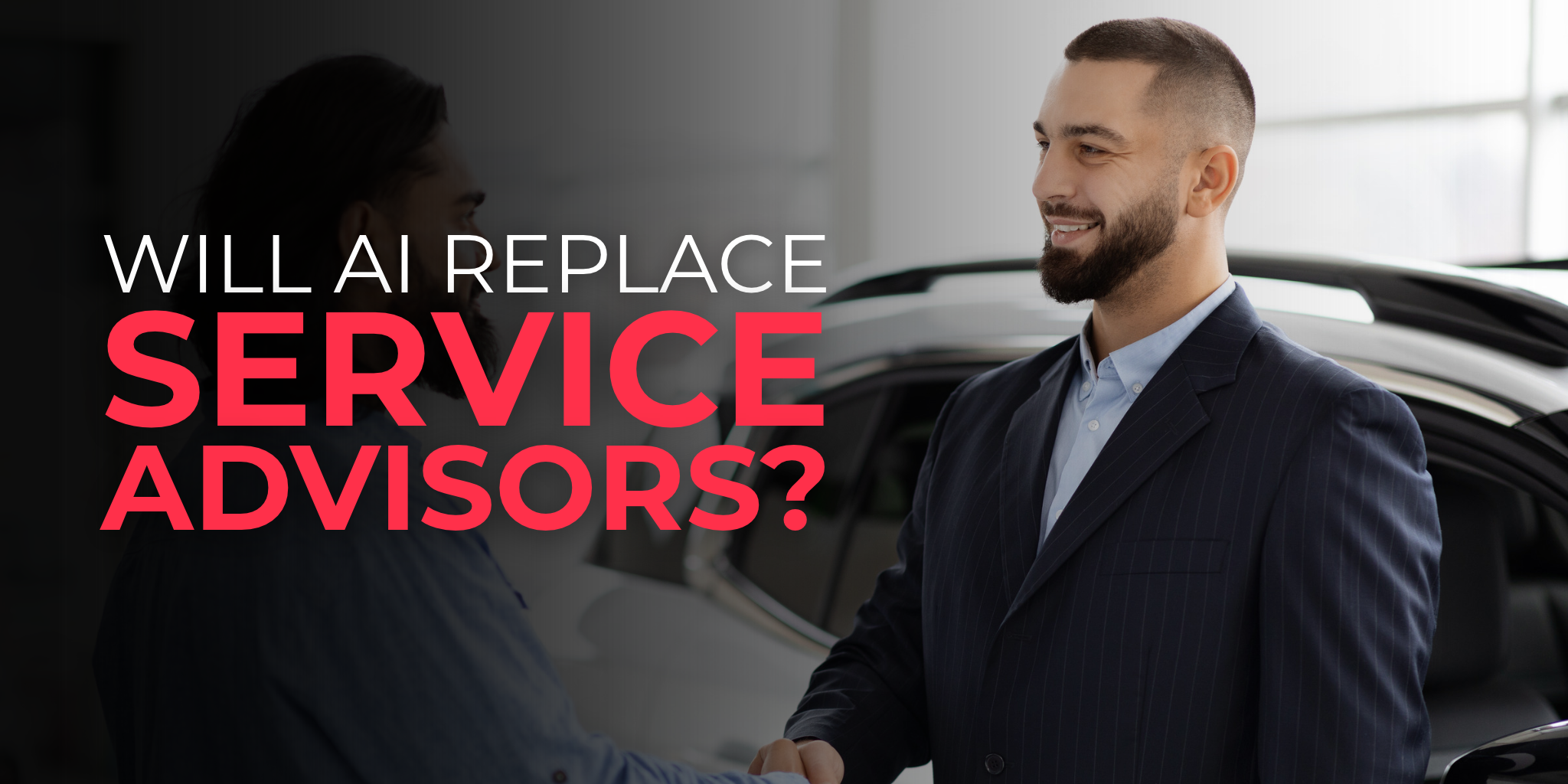
Will AI Replace Service Advisors, or Make the Best Ones More Valuable?
Artificial intelligence is becoming an increasingly important part of dealership operations, but what does that mean for the people working in service departments? As more dealerships introduce AI-powered tools, questions are emerging about whether technology will eventually replace service advisors or simply change the way they work.
For an industry already facing recruitment challenges and pressure to improve productivity, the answer could have significant implications. Rather than eliminating service advisor positions altogether, AI may change which skills dealerships value most and how their teams operate.
AI Is Changing Dealership Jobs, Not Necessarily Eliminating Them
In an October 2026 interview with CBT News, Todd Smith, CEO of QoreAI and author of The Intelligent Dealership, discussed how AI could reshape dealership staffing. His view was that automation would change where employees spend their time more than it would reduce overall headcount.
That distinction is particularly relevant to fixed operations, where service departments depend on a combination of efficiency, technical knowledge, and customer relationships. While certain administrative responsibilities can be automated, dealerships still need experienced professionals to manage complex situations and deliver a positive customer experience.
For service advisors, this could mean spending less time on repetitive processes and more time communicating with customers, recommending necessary repairs, and supporting workshop productivity.
Which Service Advisor Tasks Could AI Take Over?
Many dealership service departments are already exploring technology to simplify everyday operations. AI-powered systems can support appointment scheduling, service reminders, routine customer inquiries, and follow-up communications, potentially reducing the administrative workload placed on advisors.
These improvements could be particularly valuable in busy service departments where advisors are responsible for managing multiple repair orders and keeping customers informed throughout the day. Reducing time spent on routine tasks may allow advisors to focus more closely on the customer experience and the quality of their interactions.
However, introducing automation does not automatically guarantee better results. Dealerships still need to ensure that information is accurate, communication feels personal, and customers can reach a knowledgeable employee when something requires additional attention.
Why the Human Side of Service Still Matters
One of the biggest limitations of AI in fixed operations is its inability to fully replicate the relationships that experienced service advisors build with customers. Explaining an unexpected repair bill, handling a dissatisfied customer, or helping someone make an informed decision about their vehicle often requires empathy, judgment, and trust.
These responsibilities are central to the service advisor role and can directly influence customer satisfaction and long-term retention. An experienced advisor who understands how to communicate effectively can make a significant difference to both the customer's experience and the dealership's performance.
As AI becomes more capable of handling routine administrative work, these interpersonal skills could become even more valuable. Dealerships may increasingly look for advisors who demonstrate strong communication, problem-solving abilities, and the confidence to manage challenging conversations.
Will Dealerships Need Fewer Service Advisors?
The impact on dealership headcount is likely to depend on how individual businesses implement AI. Some dealerships may decide they can operate more efficiently without replacing every employee who leaves, while others may use productivity gains to support additional service volume and business growth.
Smith's comments to CBT News highlighted how staffing changes could happen gradually, particularly when dealerships choose not to backfill certain positions. However, a more efficient service department could also create additional demand for technicians and other fixed operations professionals as its capacity increases.
For service managers and fixed operations directors, the challenge will be determining where technology genuinely improves productivity without compromising service quality. Reducing staffing costs may seem attractive, but overloading advisors or weakening customer relationships could create problems elsewhere in the business.
What Does This Mean for Automotive Recruitment?
Changes in the service advisor role could also influence how dealerships approach recruitment. Traditional automotive experience will remain important, but employers may place greater emphasis on adaptability, relationship-building, and the ability to work confidently with new technology.
For candidates, being comfortable with AI-powered systems could become another advantage in an increasingly competitive job market. Service advisors who combine industry knowledge with excellent customer service and a willingness to learn may be particularly well positioned as dealership operations evolve.
Dealerships will also need to consider how they develop their existing employees. Investing in training and helping teams understand how technology can support their work may prove more beneficial than viewing automation primarily as a way to reduce payroll.
The Future of the Service Advisor Role
AI is unlikely to affect every dealership in exactly the same way, and its long-term impact on staffing remains uncertain. What is becoming clearer is that technology has the potential to reshape everyday responsibilities and influence the skills employers prioritize when building their service teams.
For automotive professionals, that makes adaptability increasingly important. The strongest service advisors may be those who embrace tools that make their jobs more efficient while continuing to deliver the personal service, expertise, and trust that customers expect.
Ultimately, the question may not be whether AI can replace a service advisor, but whether dealerships can use it to make their existing teams more effective. For fixed operations leaders, finding the right balance between technology and experienced people could become an important competitive advantage.
At Holt Automotive Staffing, we specialize in connecting experienced fixed operations professionals with automotive dealerships across the United States. As the industry continues to evolve, understanding the skills that make a successful service team will remain central to helping employers and candidates make the right career and hiring decisions.