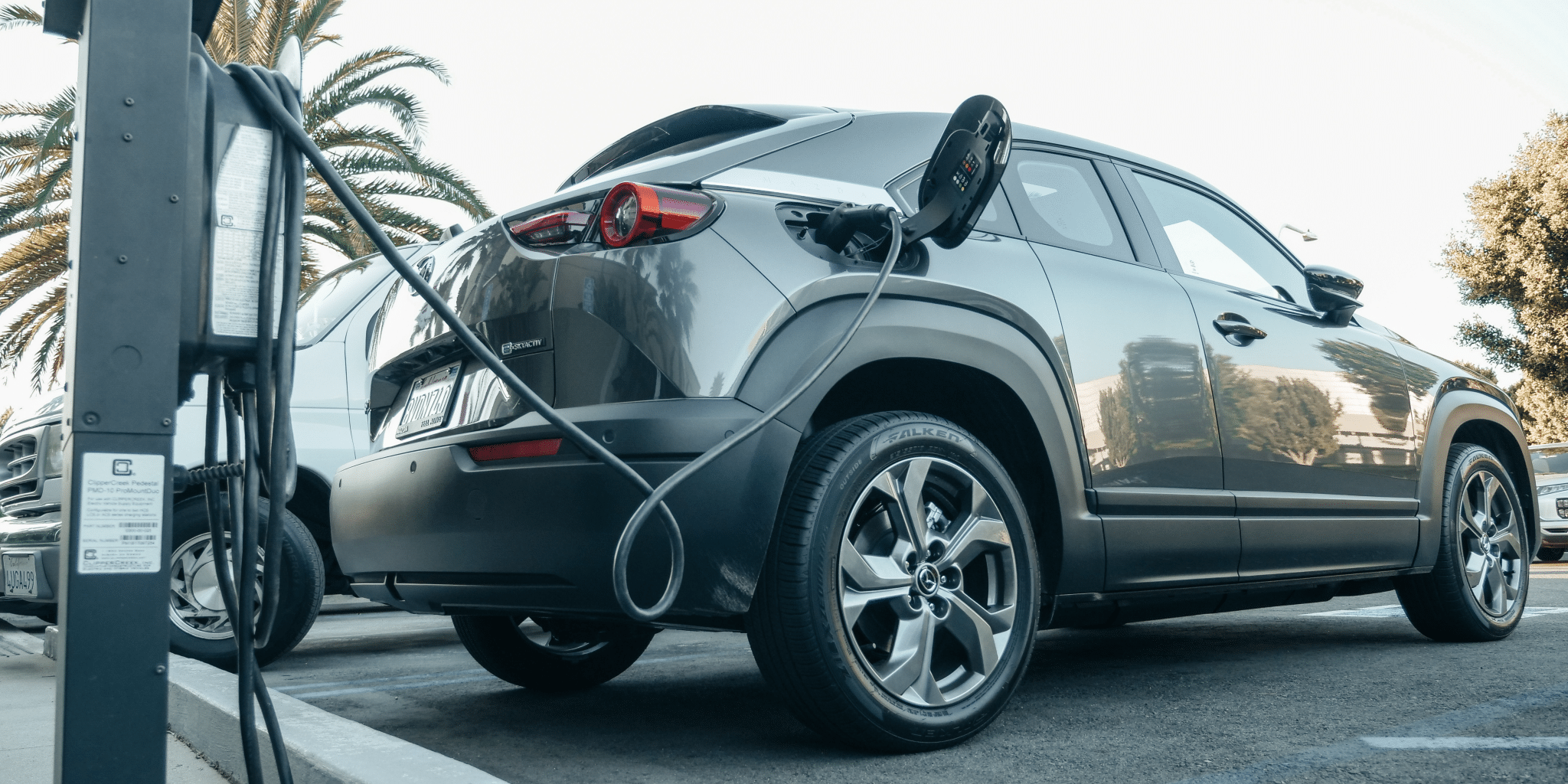
EV Shoppers Flood Dealerships Ahead of Expiring Federal Incentives
With federal and state EV tax credits set to phase out, dealerships across the U.S. are experiencing a surge in showroom traffic. In some markets, creative bundling of incentives has pushed lease prices down to unprecedented levels — as low as $9 a month — driving urgency among cost-conscious buyers eager to secure deals before September 30.
The rush highlights how quickly consumer behavior shifts when incentives change, and it underscores the challenges both dealers and manufacturers may face once these programs expire.
A Countdown to Expiration
In Colorado, one of the hottest EV markets in the country, dealerships have been particularly aggressive in promoting incentive-driven lease offers. At Emich Volkswagen in Denver, lease deals on the ID.4 compact SUV dropped to just $39 a month before tax in August. By September 1, the dealership went further, offering a $9 monthly lease on a two-wheel-drive version — complete with a countdown clock on its website marking the days until the federal incentive disappears.
For buyers like Scott Nelson, a Denver real estate professional, the timing was decisive. “It was on our radar,” he explained, “but this definitely sped up the timeline.” Nelson placed an order for an ID.4 in early August to lock in the deal, even though delivery may come after the September deadline.
Policy Changes Reshape the Market
The urgency stems from changes to federal climate policy. The $7,500 federal EV tax credit, first introduced under the Biden administration, will officially expire on September 30 under provisions of President Trump’s One Big Beautiful Bill Act.
On top of federal changes, Colorado has been scaling back its state-level credit due to budget shortfalls. The state incentive, once $5,000, fell to $3,500 this year and will decline further to just $750 in 2026. Combined with the federal rollback, shoppers stand to lose access to as much as $11,700 in savings within the next year.
Forecasts suggest that without the federal credit, EV adoption could be 38% lower by 2035, posing long-term challenges for automakers and dealerships alike.
Dealers Ride the Surge — But Worry About What’s Next
Colorado’s dealerships have leaned into incentives to capture record-breaking EV sales. Boulder Nissan, for example, offered $9-a-month leases on the Leaf last summer, a move that generated historic volume for the store.
“It’s been such a good ride over the last year and a half,” said Ed Olsen, sales manager at Boulder Nissan. Now, he and his team are working to move every EV in stock — including Ariya crossovers — before September 30, when the federal program ends.
Still, there’s widespread concern about what comes after the deadline. Without the discounts, dealers expect higher vehicle prices to dampen demand. “Anything that makes cars more expensive is bad for dealers,” said Matthew Groves, president of the Colorado Auto Dealers Association.
Many retailers anticipate a return to traditional business models focused on gasoline-powered and used vehicles, with EV volumes tapering off once incentives vanish.
Strong Demand, Uncertain Outlook
While EV sales are enjoying a temporary lift from buyers rushing to secure deals, the long-term outlook is more complex. Automakers have absorbed nearly $12 billion in tariffs on imported vehicles and parts since March, choosing to protect market share rather than pass costs to consumers or dealers. That strategy has supported short-term affordability but put pressure on OEM profitability — another factor likely to influence future pricing.
For now, dealerships are capitalizing on the urgency. Showrooms remain crowded, lease offers are being snapped up, and countdown clocks add to the pressure. But after September 30, the industry faces a new reality: fewer incentives, higher prices, and the challenge of sustaining EV adoption without the boost of federal and state support.
The Bottom Line
The September 30 expiration of the federal EV credit has created a “hot cakes” moment for dealers, especially in states like Colorado where incentives stacked up to create unheard-of lease offers. But once the clock runs out, both dealerships and consumers will need to adjust to a market where EV affordability looks very different.
For dealers, the next test will be balancing EV volumes with profitability in an environment where incentives are no longer driving customers through the door.
Originally published by The Sun — “Cheap car deals disappear as credit expires” (September 6, 2025).


